A surprising number of poker leaks start long before the river. They start when a hand looks playable, feels premium, and quietly pushes you into a decision that your position, stack size, or table context never supported in the first place. Ace-rag, medium pairs, suited connectors, and even Ace-King are not bad hands by default. They become expensive when memory turns them into “good enough” hands without replaying the conditions around them. That is why desktop review matters. It turns vague impressions into visible patterns, which is where real improvement usually begins.
Research on dynamic decision-making points in the same direction. In an open-access study published in Judgment and Decision Making, participants who used training and self-reflection performed better in changing, time-pressured tasks. That is relevant here because hand review is not only about remembering cards. It is about revisiting choices, checking what changed, and noticing whether your logic held up once the situation evolved. If you also keep notes, tagged screenshots, or exported session files, a simple habit of storing them clearly can make later review easier. Review also gets sharper when the same hand is compared across different seats and effective stacks, because that is usually where false confidence first starts to break apart.
Why desktop review catches what memory misses
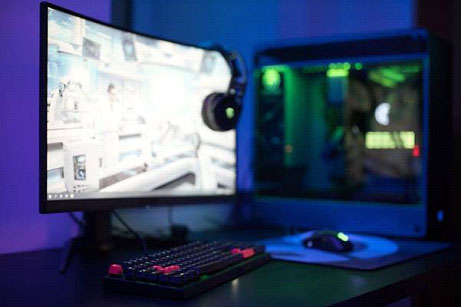
The biggest advantage of reviewing on a PC is not comfort. It is context. That is especially true in the context of download poker, where a dedicated desktop setup gives the session a clearer structure and makes it easier to revisit decisions afterward. There is more information here on desktop poker software described as a computer client for cash games and tournaments, along with downloadable hand history. That matters because overplayed starting hands rarely reveal the full mistake in real time.
The hand itself distracts from the setup. A pair of 7s can feel sturdy until the action tells you someone likely has you covered. Suited connectors can look inviting until you remember you opened them from the wrong seat with the wrong stack depth. Ace-King can keep its preflop shine long after the flop says otherwise. A desktop review routine helps separate the hand from the conditions around it. You can compare position, effective stacks, preflop pressure, and postflop reactions instead of asking whether the hand looked pretty. Downloading your poker information is therefore a practical route into a cleaner review environment where the lesson comes from the decision, not the emotion attached to it.
The next useful step is seeing that idea applied to real examples. This short video on The 10 Poker Hands Everyone Overplays focuses on hands that attract too much confidence and ties them back to position, stack depth, and discipline. That makes it a strong follow-up to desktop review because it gives you a ready-made set of hands to examine in your own history, instead of treating every leak as a mystery.
The hand is only half of the story
Most players review a hand by asking whether it was strong or weak. A better question is whether it was strong there. That one change in wording shifts the entire exercise from card worship to decision quality.
Take small and medium pairs. Their value changes sharply with position, pressure, and how willing you are to continue when the board misses you. The same goes for suited connectors. They can be flexible, but flexibility is not the same as permission to carry them into every spot. Ace-rag creates a different illusion. The ace grabs your attention, and the weaker side card quietly hides the real problem. Desktop review slows that instinct down. Instead of remembering only the card combination, you get to look again at the sequence that made the hand playable or made it thin.
The review habit that actually teaches you something
The most useful post-session review is not a giant audit. It is a short, honest pass through the hands that still feel sticky an hour later. Pull three of them. Not the wildest hands, just the ones where your confidence now looks a little suspicious. Then look for the hinge point. When did the hand stop being comfortable? Was it the raise size, the seat, the stack depth, or the texture of the board?
That question tends to expose patterns much faster than broad summaries do. You may find that your real leak is not overplaying one specific holding. It may be overvaluing attractive hands from early position, or treating any ace like automatic stability, or staying loyal to medium pairs after the board stopped cooperating.
Once those patterns repeat, discipline becomes easier because it is no longer abstract. You have evidence from your own sessions. And that is the real strength of desktop hand review. It makes reflection concrete, which is exactly what reflective practice is supposed to do: help you question assumptions, sort what you know from what you only felt in the moment, and turn experience into something useful for the next decision. A recent open-access review on reflective practice makes the same broader point, arguing that systematic reflection helps people ask better questions about their work and separate knowledge from assumption.


Guest