Table of contents
A comprehensive review of January 2026's tech breakthroughs. From the rise of Agentic AI to the robotics revolution at CES, discover how the "Great Era" has moved tech from concept to reality.
We have officially crossed the threshold. For years, we talked about "The Future" as a distant dream filled with autonomous robots and invisible AI. As we close the first month of 2026, that dream has ended—because the reality has begun.
This is The Great Era, a period where the tech industry has stopped selling us "previews" and started delivering "products." In just four weeks, the landscape of digital and physical technology has shifted more than it did in the previous decade.
CES 2026: The Robot in Your Living Room
The Consumer Electronics Show in Las Vegas was no longer a playground for prototypes. It was a showroom for the hardware that will define our homes.
Humanoids Find Their Feet:
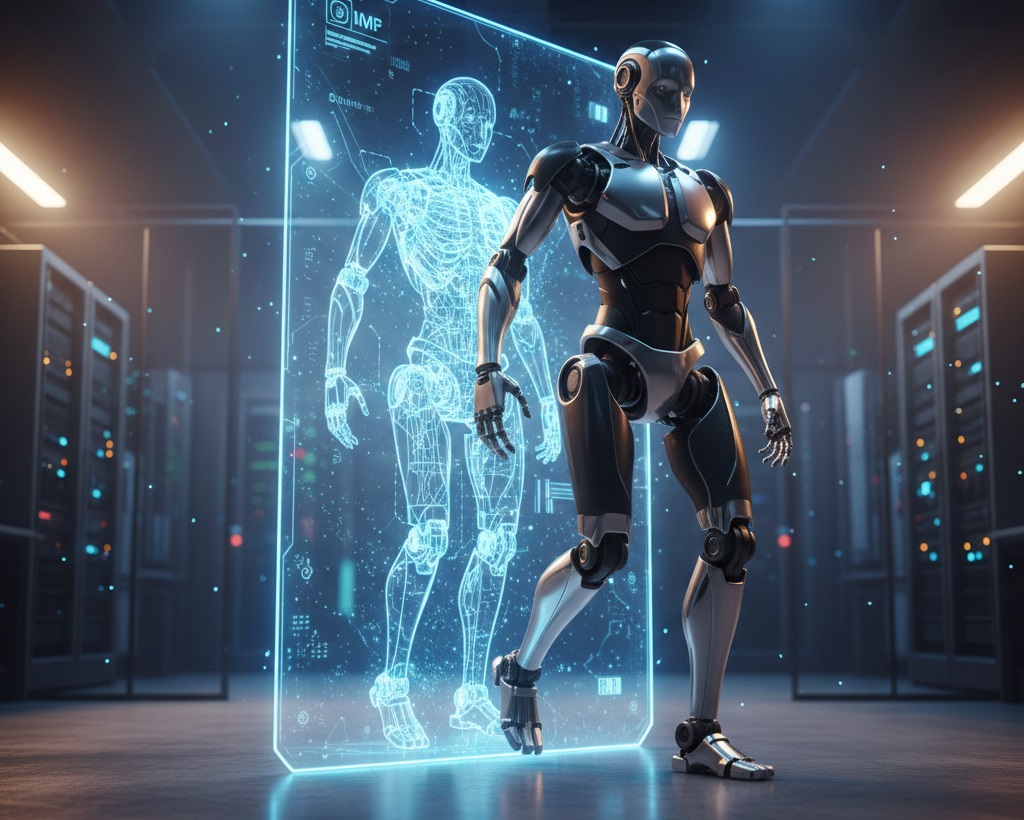
Boston Dynamics stole the show with the latest Atlas. It no longer looks like a science project; it looks like a roommate. With fluid, human-like balance, it demonstrated the ability to handle delicate household objects without breaking them.
NVIDIA’s "Brain" for Robots:
The hardware giant introduced new specialized chips designed specifically for "Edge Logic." This allows robots to understand their surroundings without needing a cloud connection. It’s the difference between a robot that follows a path and a robot that knows how to avoid a spilled glass of water.
The Death of the Chatbot, The Birth of the Agent
If 2025 was the year we learned to talk to AI, 2026 is the year AI learned to do our jobs. We have moved from "Generative AI" to "Agentic AI."
What is an Agent?
Unlike a chatbot that just gives you a recipe, an AI Agent in 2026 can actually order the groceries, preheat your smart oven, and set a timer—all from one sentence. These agents are now integrated into OS-level systems like Windows 12 and the new macOS.
The Multi-Step Leap:
The breakthrough this month was "Recursive Reasoning." New models can now plan 10 steps ahead. If a step fails, the AI doesn't stop; it finds a workaround. This is the "Great Era" of autonomy.
UPDATE: (2 February, 2026)
Apple chose Gemini for Siri instead of ChatGPT
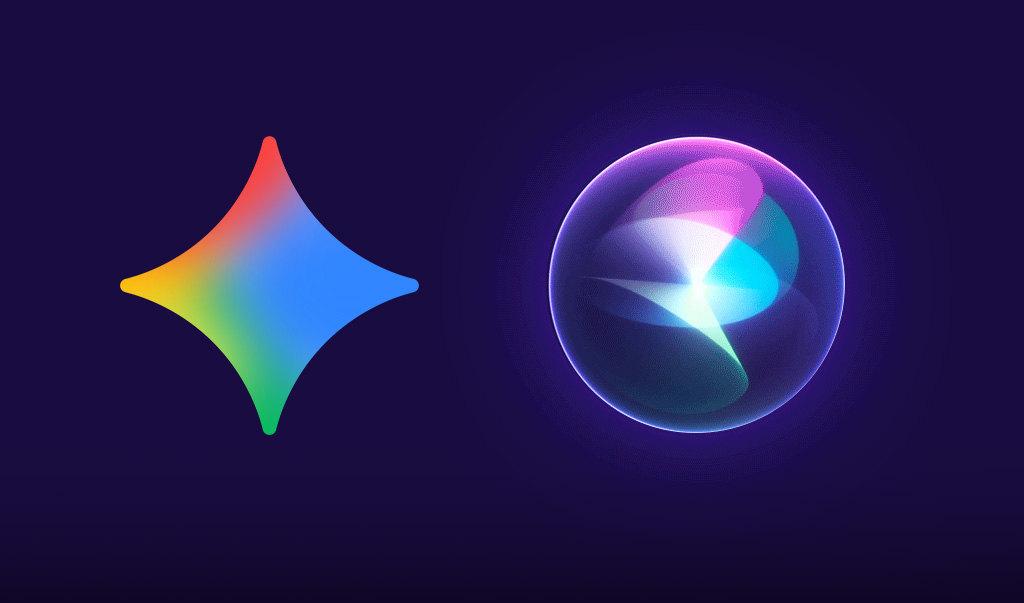
February 2026 delivered a quiet but powerful signal: Apple is reportedly integrating Google’s Gemini models to enhance Siri’s intelligence.
For years, Apple positioned Siri as a privacy-first, self-contained assistant. But the rise of Agentic AI has changed the rules. In an era where assistants are expected to plan, execute, and adapt across multiple steps, intelligence is no longer optional — it’s foundational. This move isn’t a weakness. It’s a confirmation of the Great Era.
The most closed ecosystem in tech acknowledged a simple truth:the future belongs not to those who build everything alone, but to those who integrate intelligence best.
Siri’s evolution from a reactive voice assistant into a proactive AI agent mirrors the broader shift of 2026 — from experimentation to execution. Apple didn’t abandon its principles; it adapted to reality. In the Great Era, even giants recalibrate.
Display Tech: The "Invisible" Television
Samsung and LG have finally perfected transparency. At CES 2026, the highlight was the Samsung Micro-LED Transparent.
When it's off, it looks like a high-end piece of glass. When it's on, the colors are so vivid they seem to float in mid-air. This isn't just for watching movies; it's the new interface for smart homes, where your window becomes your dashboard.

Pocket Power: The 6500mAh Standard
The mobile world had its own "Great Era" moment this month. Smartphone manufacturers have finally solved the "battery anxiety" problem.
Solid-State Battery Tech:
Mid-range phones like the Poco M8 series and the new OnePlus models have debuted with high-density batteries. We are seeing 6500mAh to 7000mAh batteries in slim phones.
Combined with 120W charging, the "charging brick" is becoming a relic of the past. You charge for 5 minutes, and you are good for two days. This is the practical reality of 2026.
The Reality Check: Security and Costs
Not everything in the Great Era is perfect. The shift to reality has brought real-world problems.
The Gmail Spam Crisis:
In mid-January, a flaw in AI-driven spam filters caused a global mess. Millions of users found their primary inboxes flooded with "AI-crafted" phishing emails that were indistinguishable from real corporate communications.
The Price of Performance:
Because everyone wants AI hardware, the cost of raw storage (SSD) and RAM has spiked. Analysts suggest that by the end of 2026, a high-end PC might cost 20% more than it did last year.

Conclusion: The Blueprint is Now a Building
The first month of 2026 has proven that we are no longer waiting for the future. The "Dream" phase of technology—where everything was a "beta" or a "concept"—is over.
We are now living in the Great Era of Implementation. Whether it's the robot in the hallway, the AI agent managing your calendar, or the transparent screen on your wall, technology has finally become a solid part of our physical world.
When Apple starts borrowing intelligence, it’s clear: the AI era is no longer about rivalry — it’s about survival through collaboration.
The question for the rest of 2026 is no longer "What can it do?" but "How will we live with it?"
References: NVIDIA GR00T Evolution at CES 2026, Gartner Tech Price Index 2026
Created on 26 January, 2026
Related posts
Leave a comment

ADVERTISEMENT
Categories
Popular posts
ADVERTISEMENT